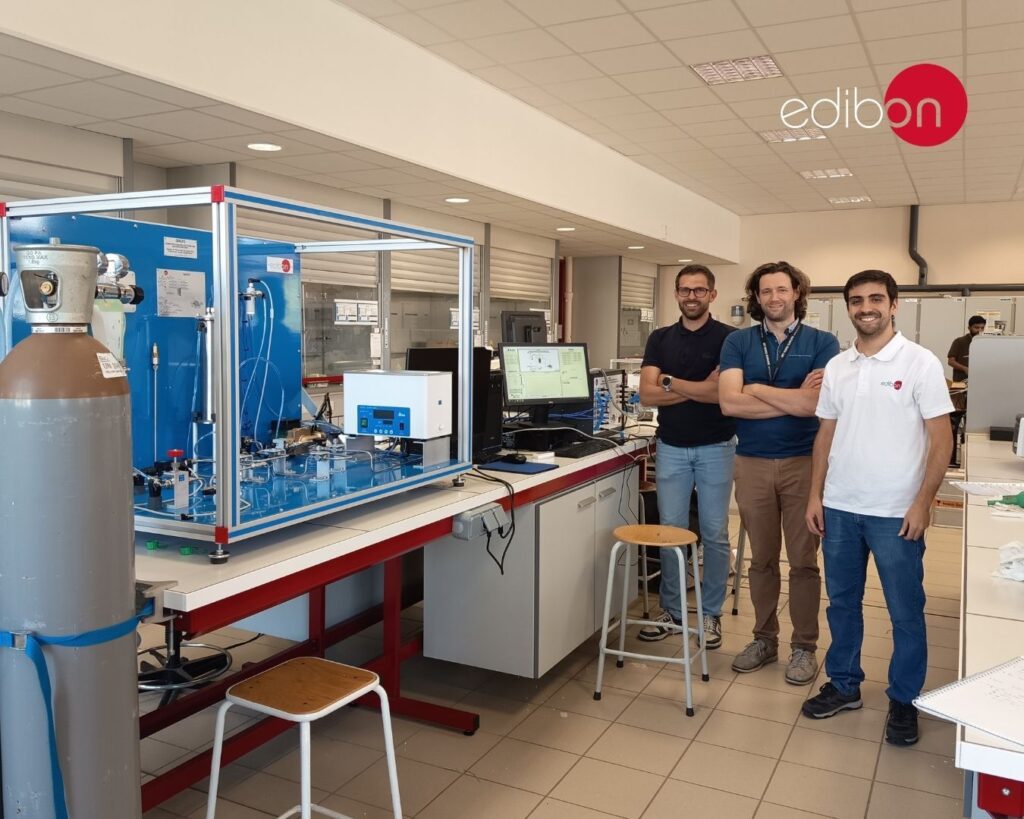
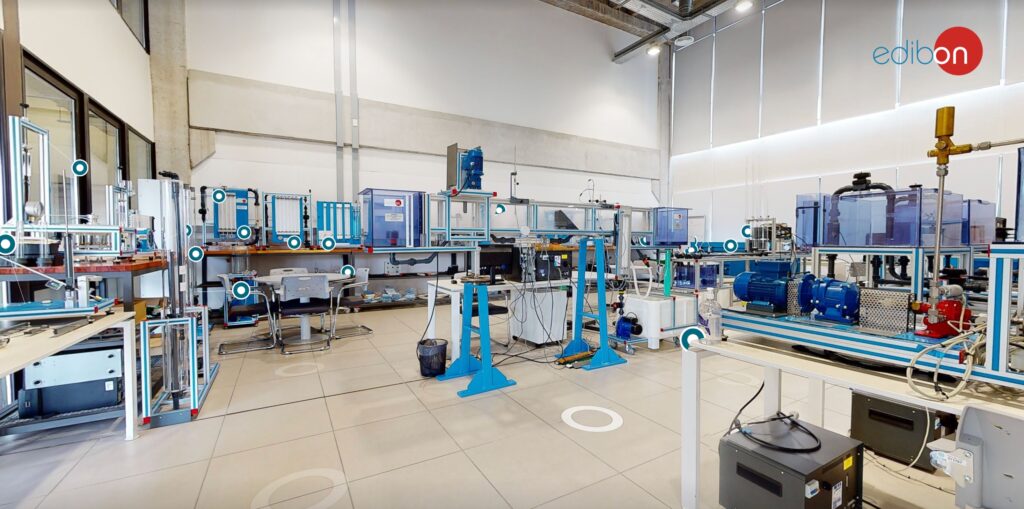
We are pleased to announce the installation of our Computer Controlled Fixed Bed Adsorption Unit (QALFC) at CERI Énergie Environnement, part of IMT Nord Europe, in Douai, France. Designed and manufactured by EDIBON, our QALFC enables students and professionals to study and demonstrate gas adsorption using a fixed adsorption column....
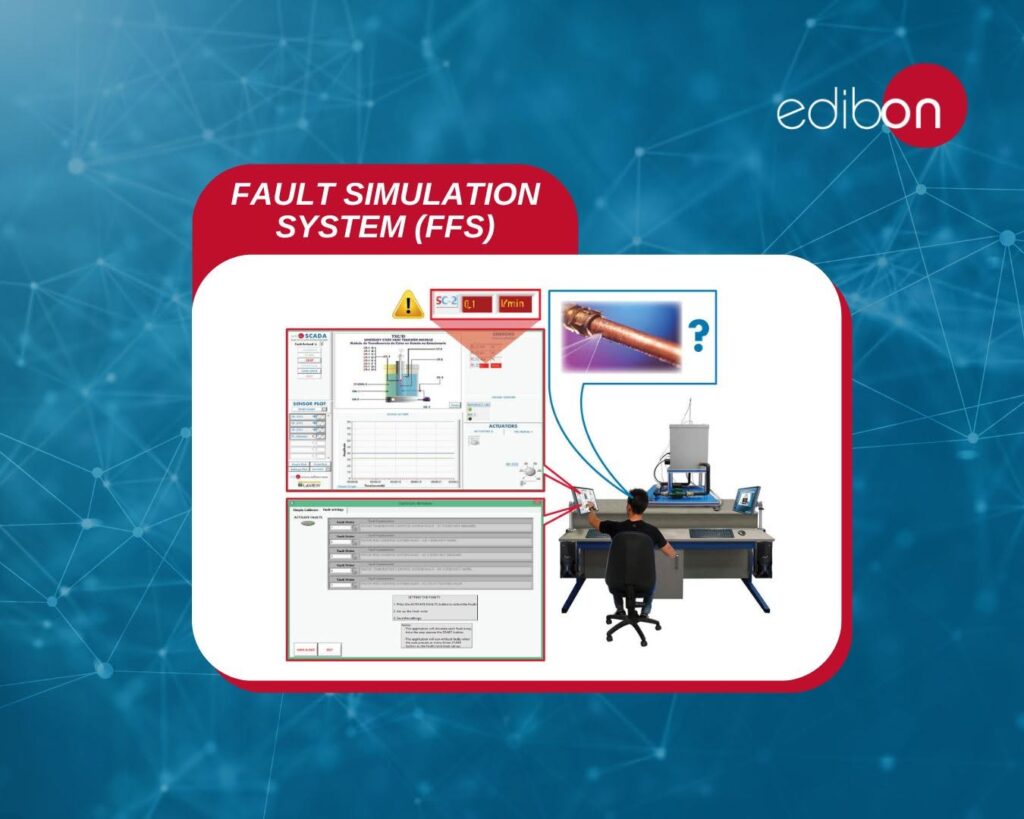
Technical education must prepare students not only to understand concepts but also to apply them to real-world situations. In this context, Problem-Based Learning (PBL) helps bridge the gap between the classroom and industry by fostering critical thinking, decision-making, and problem-solving skills. This approach is particularly relevant in engineering, where future...
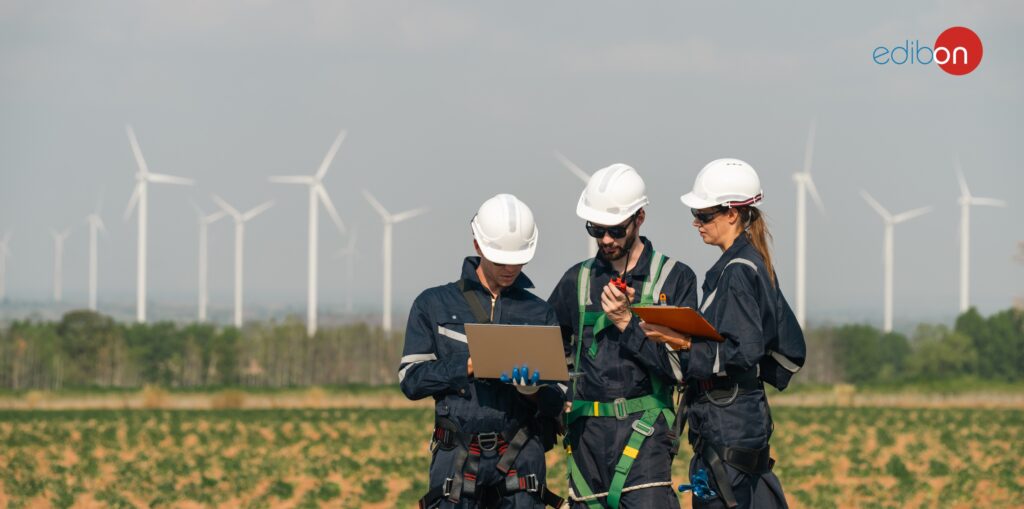
How does a wind farm actually work? What happens when wind speed changes? How does blade angle affect the performance of a wind turbine? And what happens when operating conditions are not ideal? Answering these questions solely from a theoretical perspective can be challenging. Wind energy system emulation makes it...
For years, carbon dioxide (CO₂) has been considered primarily a byproduct of industrial processes and one of the main greenhouse gases. But what if some of that CO₂ could stop being viewed solely as an emission and instead become a valuable feedstock? This is one of the ideas behind CCUS...
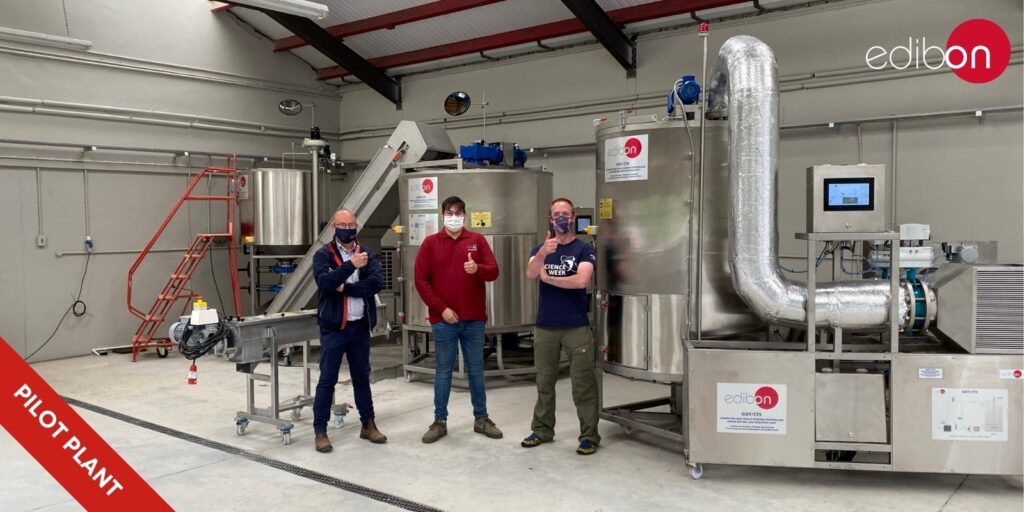
The food industry is undergoing a transformation in which industrial automation is playing an increasingly important role. Rising costs of raw materials, energy, and labor, combined with the need to operate more efficiently while maintaining high quality standards, are driving companies to digitize and automate their processes. Automation does not...
The food industry is undergoing a transformation in which industrial automation is playing an increasingly important role. Rising costs of raw materials, energy, and labor, combined with the need to operate more efficiently while maintaining high quality standards, are driving companies to digitize and automate their processes. Automation does not...
Digitalization is transforming the way technical laboratories are designed, managed, and used. In 2026, technologies such as data acquisition, real-time monitoring, automation, augmented reality, and remote laboratories are no longer simply innovative systems; they have become key elements for improving technical education, research, and laboratory efficiency. For universities, vocational training...
We have great news! ECOCAT 2 has been selected for funding and will be developed as a coordinated project, marking a new step forward in the research into sustainable CO₂ valorization technologies. The project aims to develop advanced porous materials with enhanced catalytic properties capable of transforming CO₂ into high-value...
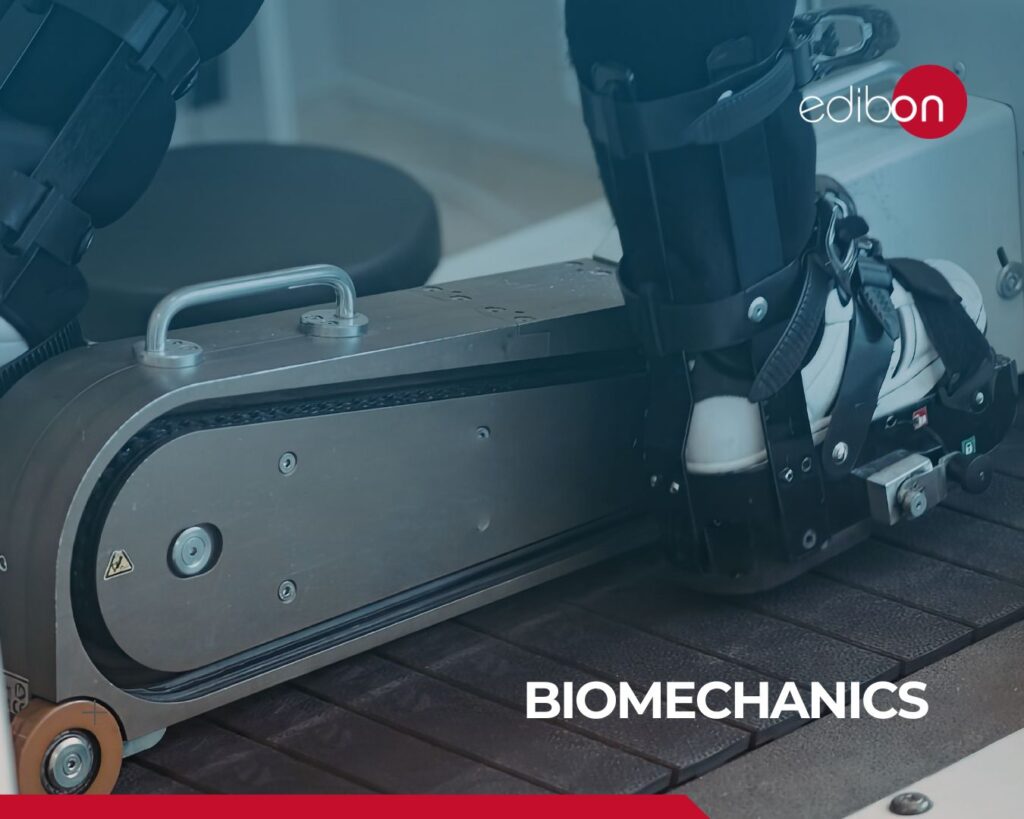
Biomedical engineering is one of the fastest-growing technological disciplines worldwide. Its primary objective is to apply engineering principles to healthcare in order to improve diagnosis, treatment, rehabilitation, and patients‘ overall quality of life. By integrating knowledge from fields such as mechanical engineering, electronics, computer science, materials science, and health sciences,...
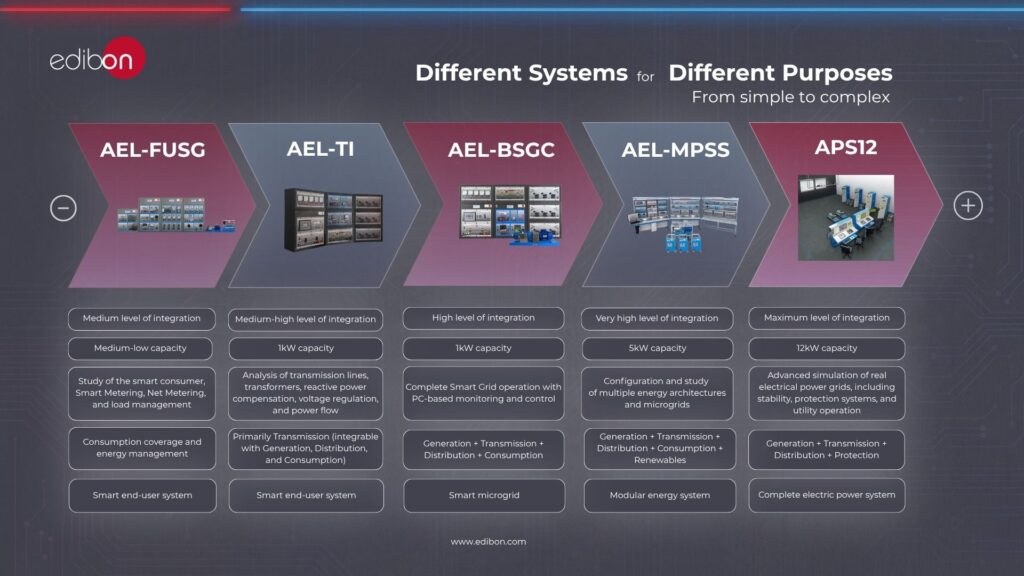
Smart Grids represent one of the fundamental pillars of the ongoing transformation of the energy sector. Their role within the electrical system is to optimize energy generation, distribution, and consumption through the integration of digital technologies, automation, and real-time communication. This enables a more efficient, flexible, and resilient grid capable...