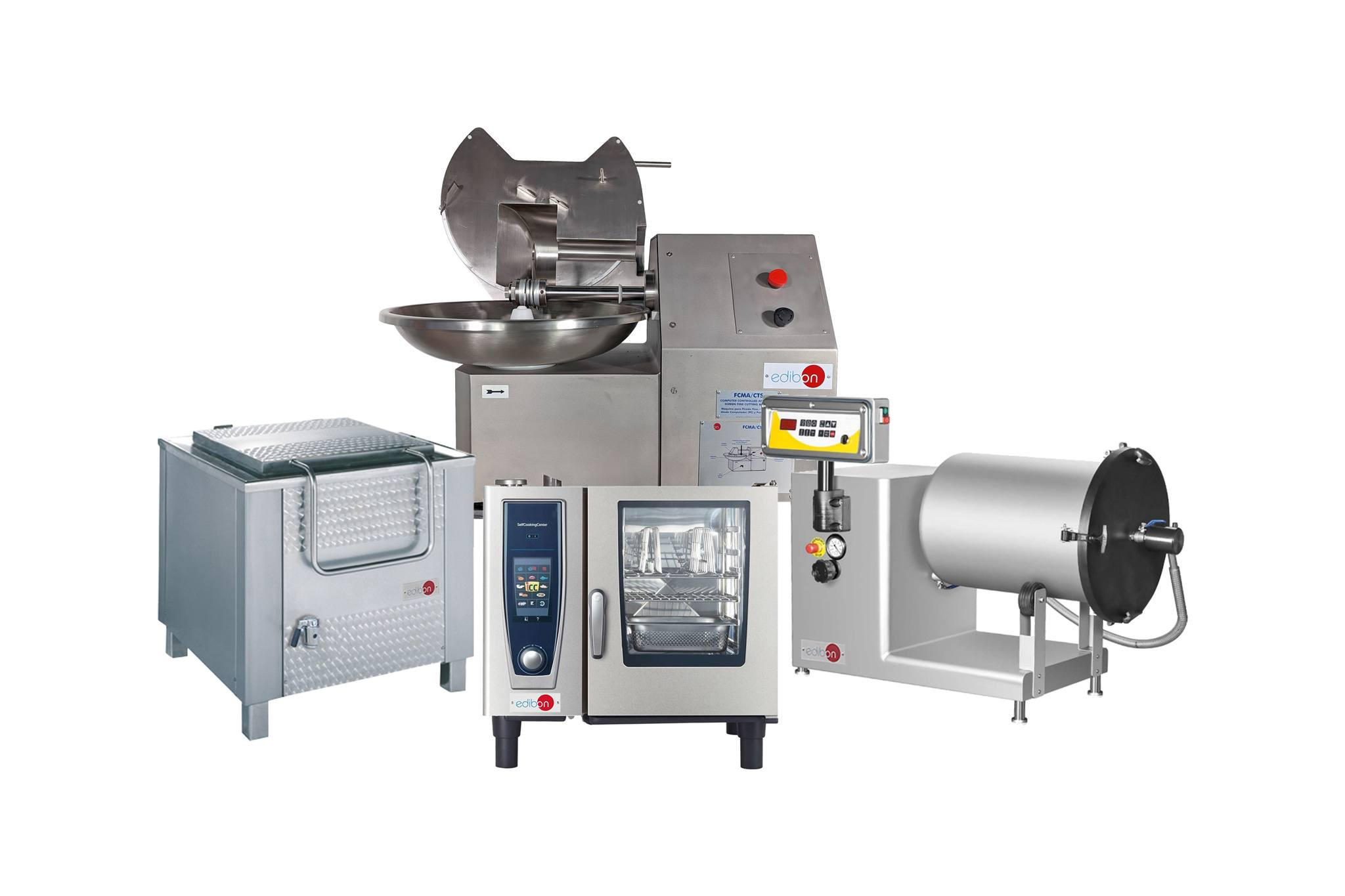
In an increasingly globalized world, where eating habits evolve at the same pace as technology, Food Technology has become an essential pillar of our society. Thanks to advancements in this field, we now enjoy safer, more nutritious, longer-lasting, and more sustainable food. From optimizing preservation processes to developing new functional products, food technology not only improves our quality of life but also addresses the world’s greatest challenges: ensuring food safety, reducing waste, and promoting sustainability.
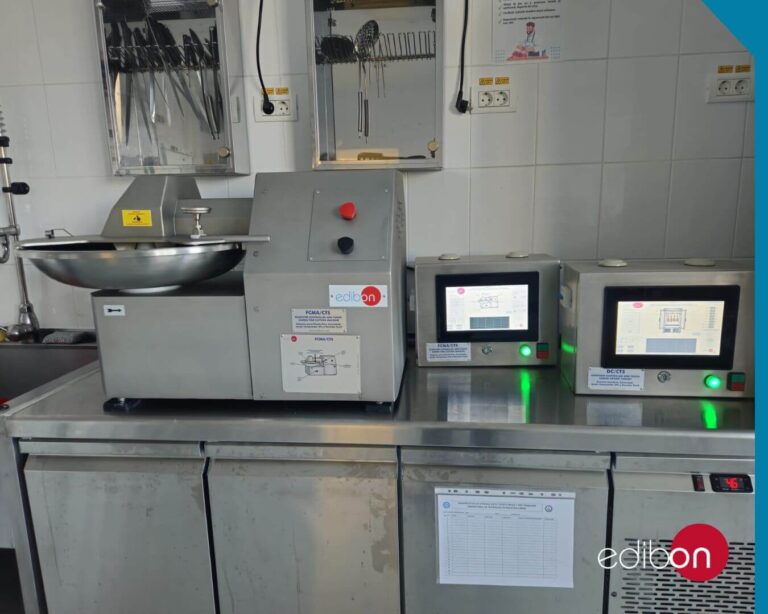
A look at the evolution of food technology
Food processing has a millennia-long history. From the most rudimentary preservation techniques to today’s sophisticated methods based on artificial intelligence and biotechnology, evolution has been constant and decisive.
During the 20th century, industrialization marked a turning point in how food was produced, preserved, and distributed. Innovations such as pasteurization, freeze-drying, and industrial refrigeration revolutionized food safety and made it possible to extend product shelf life.
Today, digital transformation and process automation are redefining the industry. The use of smart sensors, real-time data collection, and SCADA systems allows exhaustive control over critical production variables such as temperature, pressure, pH, and humidity. This not only ensures greater precision and efficiency but also drives innovation toward more sustainable and adaptable production models.
The importance of food technology in our daily lives
Beyond the industrial scope, technological advances in food processing have a direct impact on daily life. Food technology is key to:
- Ensuring food safety, preventing contamination, and ensuring compliance with international regulations.
- Optimizing nutritional quality, developing healthier foods tailored to consumer needs.
- Reducing food waste, through preservation techniques and the utilization of by-products.
- Promoting sustainability, by encouraging production processes that minimize energy and resource consumption.
- Driving culinary innovation, with new textures, flavors, and formats that transform the consumer experience.
Ultimately, food technology is a strategic system to address the global challenges of the 21st century, from climate change to population growth.
EDIBON’s role in advancing food technology
At EDIBON, we have been contributing to educational, technological, and industrial development in the field of engineering for over 45 years. Our experience and commitment to innovation have allowed us to design advanced teaching equipment that facilitates learning and applied research in food technology.
Our equipment and pilot plants allow students, researchers, and professionals to analyze and reproduce the main industrial processes in the sector, such as:
- Pasteurization and sterilization.
- Fermentation processes.
- Extraction and separation of components.
- Drying, freezing, and preservation processes.
- Packaging and quality control.
Each equipment is designed to provide a practical and controlled learning experience, integrating our own SCADA software for real-time data recording and analysis, ensuring maximum precision and reliability.
Furthermore, our equipment aligns with current industry needs, allowing users to study both traditional processes and emerging technologies applied to food biotechnology, sustainable production, and energy optimization.
Custom Pilot Plants: Innovation tailored to every need
One of EDIBON’s greatest strengths is our ability to design and manufacture customized pilot plants according to each client’s specific requirements. These plants can recreate real-scale industrial processes within the food sector, offering a highly realistic environment for training, experimentation, and innovation.
Thanks to our team of engineers and specialists, EDIBON can develop turnkey solutions tailored to:
- Research centers and universities that need to simulate specific food processes.
- Industries seeking to optimize production lines or test new processes before full-scale implementation.
- Educational institutions aiming to train future professionals in practical, controlled environments.
These pilot plants cover everything from raw material transformation to complete food production lines, integrating all stages: reception, treatment, processing, packaging, and quality control.
Each plant is designed with the client’s learning or research objectives in mind, offering full flexibility in capacity, materials, and control systems. This makes them a unique pilot plant for applied research and technology transfer in the food sector.
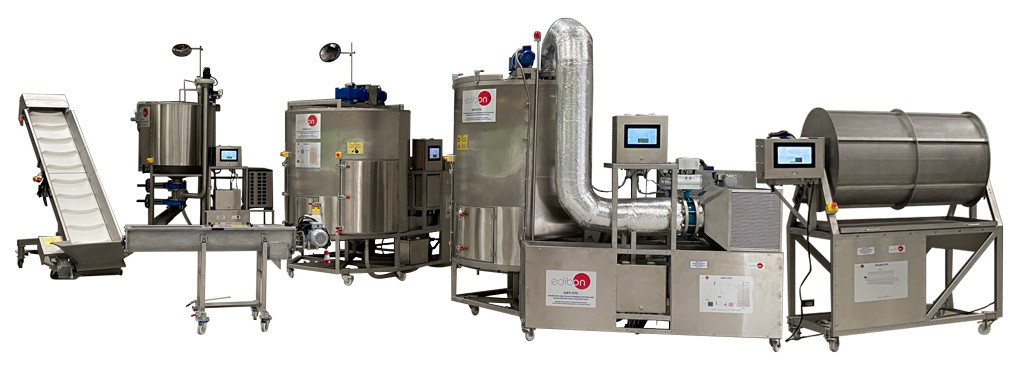
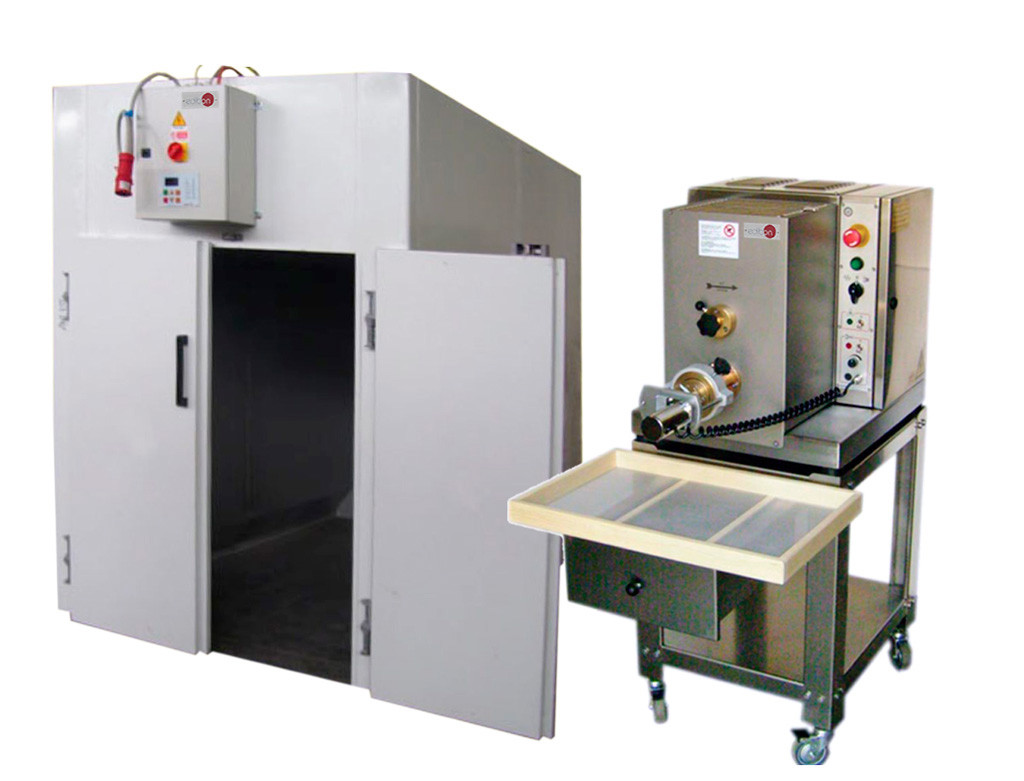
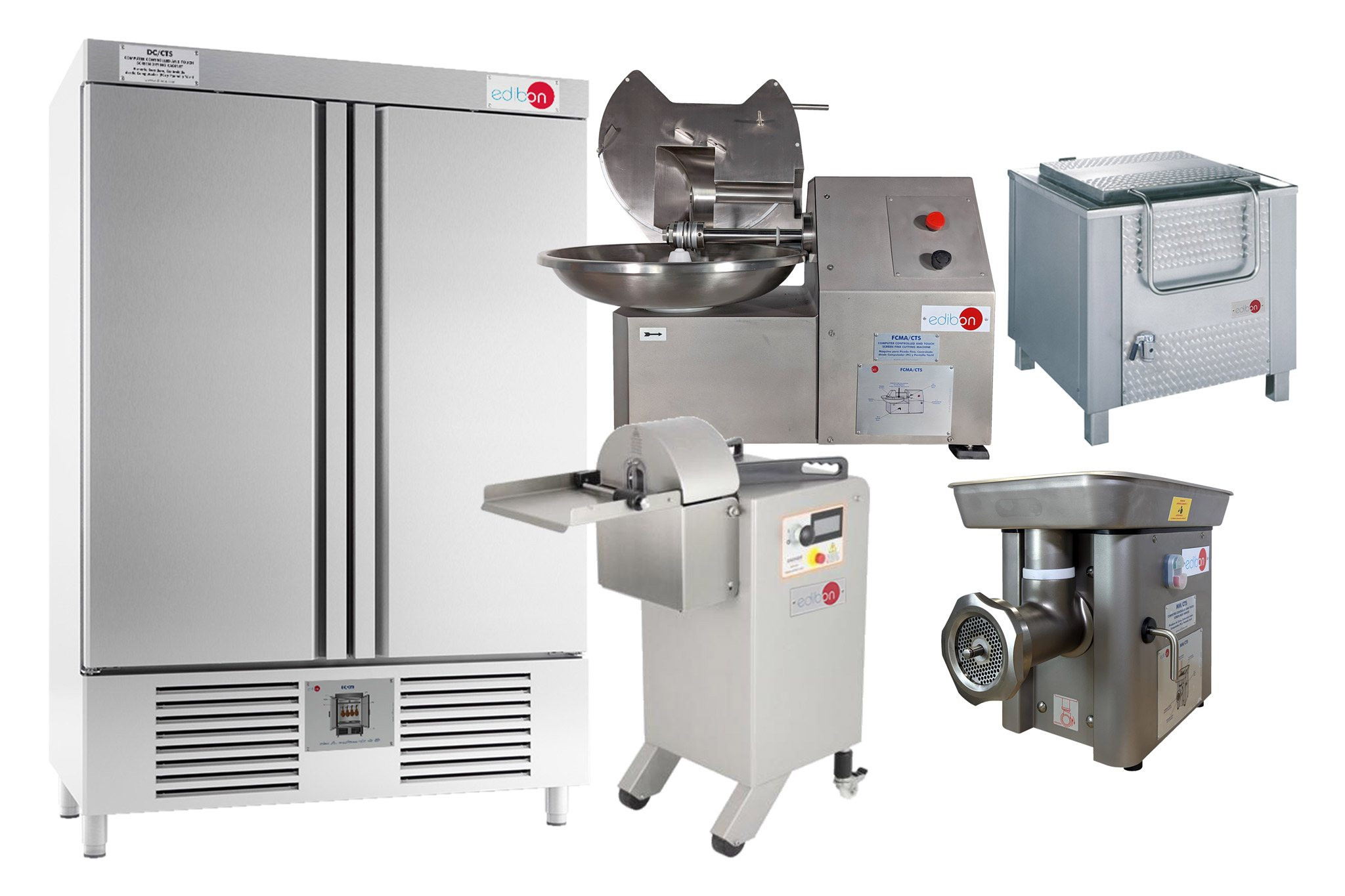
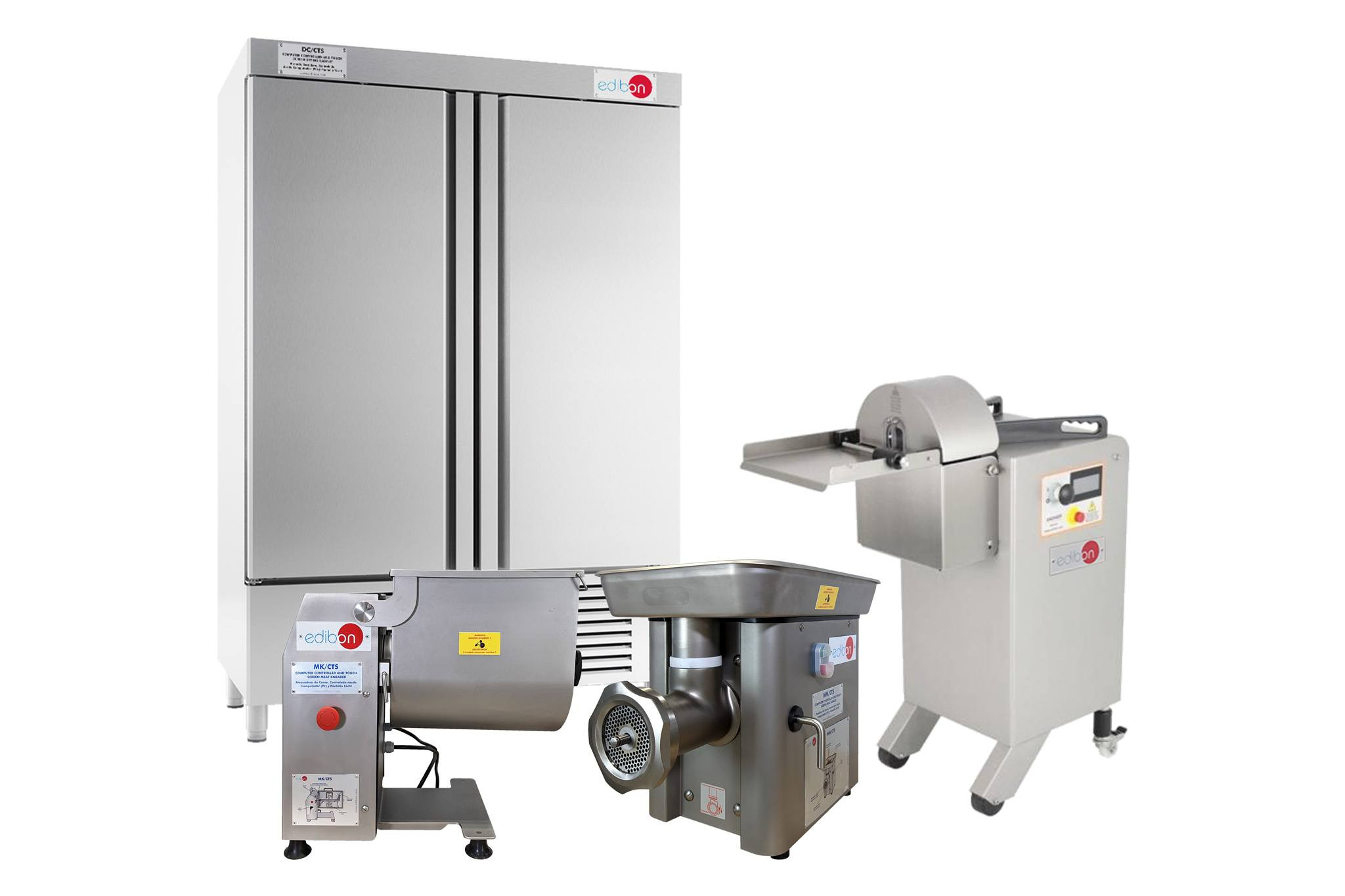
Some examples of our pilot plants include our Pilot Plant for Cereal Malting (CE00/MA), Pilot Plant for the Production of Pasta (CE00/P), and Computer Controlled and Touch Screen Pilot Plants for the Production of Meat (CA00), such as our Pilot Plant for the Production of Cured Pieces and Sausages (CA00/CUPS) or our Pilot Plant for the Production of Cooked Pieces and Sausages (CA00/COPS)
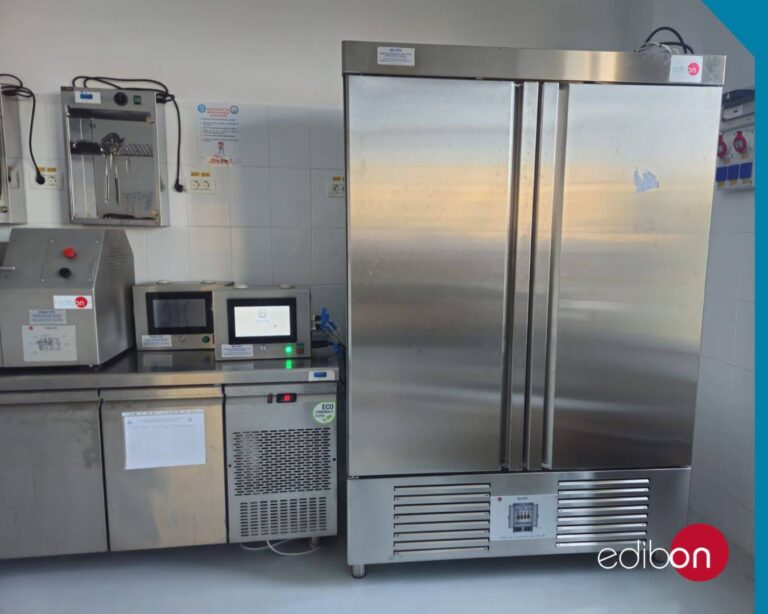
Food technology is a driving force for economic, social, and environmental progress. Through it, we ensure the quality, safety, and sustainability of the food that reaches our tables. Along this path, EDIBON plays a vital role, offering cutting-edge pilot plants for training, research, and innovation in the sector.
With our experience, commitment, and adaptability, we continue to promote the development of technological solutions that help build a more sustainable, safe, and healthy future for all.
Because at EDIBON, technology and knowledge come together to transform the world of food.